
How Does Event Security Work?
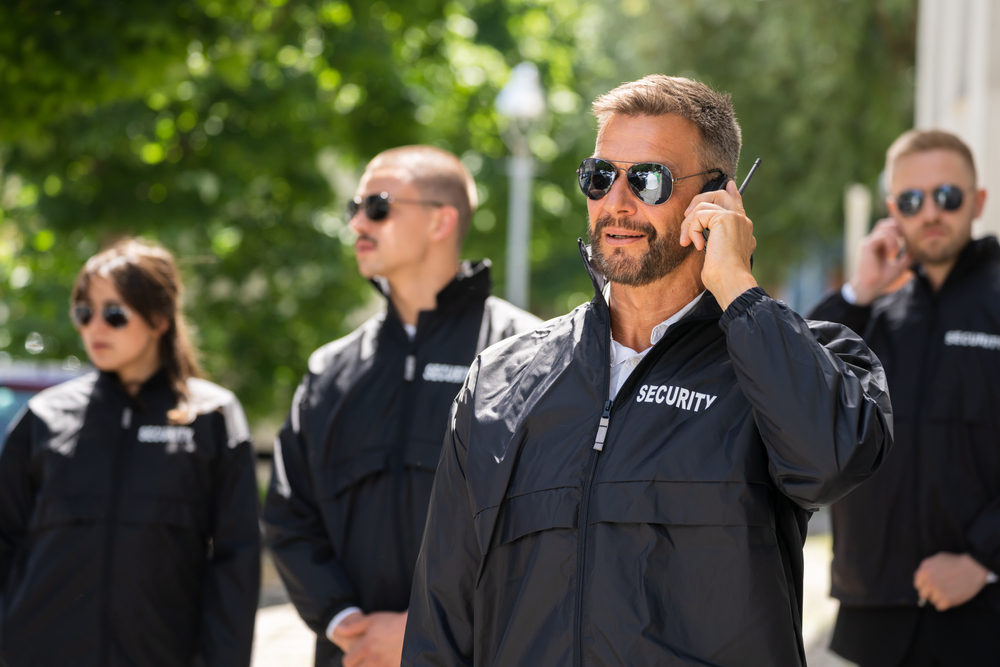
March 4, 2026 5:46 pm Leave your thoughtsEvent security works by planning, preventing, monitoring, and responding to risks before and during an event. It includes risk assessment, crowd management, access control, trained security personnel, and coordinated emergency response procedures. The goal is to keep attendees, staff, performers, and property safe while maintaining smooth event operations.
- Pre-event risk assessment and planning
- Controlled entry and access points
- Crowd monitoring and behavior management
- Incident response and emergency coordination
- Clear communication with event organizers
Definition: Event Security
Event security is a structured protection strategy designed to manage safety risks at gatherings such as concerts, festivals, corporate events, sporting events, and private functions. It combines trained personnel, access control procedures, monitoring systems, and emergency planning.
Step 1: Pre-Event Risk Assessment
Effective event security begins before the event starts. A risk assessment identifies vulnerabilities, expected attendance size, venue layout, and potential threats.
Risk factors evaluated
- Expected crowd size and demographics
- Venue location and crime history
- Alcohol service or VIP presence
- Emergency access routes
- Weather considerations
Structured planning often aligns with broader professional security services protocols.
Step 2: Access Control and Entry Screening
Controlling who enters the venue is one of the most important elements of event security.
Common access control measures
- Ticket verification
- Credential checks for staff and vendors
- Bag checks where appropriate
- Metal detection in higher-risk events
Limiting entry points and clearly separating VIP, performer, and general admission access reduces confusion and improves oversight.
Step 3: Crowd Management
Crowd dynamics can change quickly. Trained personnel monitor behavior patterns, density levels, and potential conflicts.
Crowd management techniques
- Strategic guard positioning
- Clear signage and barriers
- Controlled queue lines
- Monitoring high-traffic areas
Experienced event security guards are trained in de-escalation and communication to prevent minor issues from escalating.
Step 4: Surveillance and Monitoring
For larger events, temporary camera systems may be installed to monitor entrances, parking areas, and main stages. Monitoring supports real-time awareness and documentation.
Surveillance strategies often mirror techniques used in video monitoring and incident response planning.
Step 5: Emergency Response Coordination
Every event must have a defined emergency response plan. Security personnel coordinate with event staff, medical teams, and law enforcement when necessary.
Emergency planning includes
- Evacuation routes and assembly areas
- Medical response coordination
- Communication protocols
- Incident reporting procedures
Structured escalation models similar to a dedicated response team improve reaction time and reduce confusion during critical situations.
Step 6: Post-Event Reporting and Review
After the event, security teams document incidents, evaluate response effectiveness, and identify improvement areas. This strengthens future planning and reduces recurring risks.
Comparison Table: Small vs Large Event Security Needs
| Category | Small Event | Large Event |
|---|---|---|
| Access Control | Basic ticket checks | Screening, credential separation, limited entry points |
| Personnel | Minimal guard presence | Strategically placed security teams |
| Monitoring | Limited or none | Integrated surveillance and coordination |
Experience-Based Insight: Prevention Is More Effective Than Reaction
Well-managed events rarely experience major incidents because risks are addressed before gates open. Clear access control, proper staffing ratios, and defined communication channels prevent confusion and reduce escalation.
Bottom Line
Event security works through structured planning, controlled access, crowd management, monitoring, and coordinated emergency response. The most effective programs begin with risk assessment and scale protection based on attendance size, venue layout, and potential threats.
FAQ
What is the main purpose of event security?
The primary purpose is to protect attendees, staff, and property while ensuring smooth operations. Security teams prevent incidents, manage crowds, and respond quickly to emergencies.
Do small events need professional security?
Even smaller events benefit from basic access control and trained oversight, especially if alcohol is served or attendance exceeds typical venue capacity.
How are emergencies handled at events?
Security teams follow pre-established response plans, coordinate with emergency services, and guide attendees through evacuation or containment procedures as needed.
How is crowd control managed?
Crowd control involves strategic guard placement, barrier systems, entry flow design, and continuous monitoring of behavior and density levels.
Is event security different from regular guard services?
Yes. Event security requires specialized planning for temporary gatherings, crowd dynamics, and time-sensitive coordination that differs from standard site security.
Categorised in: Security
This post was written by admin