
How to Improve Construction Site Security
March 4, 2026 5:42 pm Leave your thoughtsTo improve construction site security, focus on layered protection: strengthen the perimeter, control access, increase visibility, deploy monitoring systems, and establish clear response procedures. Construction sites are high-risk due to valuable materials, open layouts, and changing crews. Consistent oversight and structured security planning significantly reduce theft and vandalism.
- Reinforce perimeter fencing and gates
- Limit and track site access
- Install cameras and alarm systems
- Use patrols or on-site guards
- Improve lighting and inventory control
Definition: Improving Construction Site Security
Improving construction site security means identifying vulnerabilities and implementing layered protective measures to prevent theft, unauthorized access, and property damage throughout the project lifecycle.
1) Strengthen the Perimeter
Your perimeter is your first line of defense. Weak fencing or unsecured gates create easy entry points for trespassers.
Perimeter improvements include
- Installing anti-climb fencing
- Locking gates with limited key distribution
- Using tamper-resistant locks
- Posting visible restricted-access signage
Perimeter control is a core component of effective commercial security planning.
2) Control and Monitor Access
Construction sites often have multiple contractors entering and exiting daily. Without proper tracking, accountability becomes difficult.
Access control strategies
- Issue worker ID badges
- Maintain daily sign-in and sign-out logs
- Restrict access to tool and equipment storage
- Limit after-hours access permissions
3) Deploy On-Site Guards
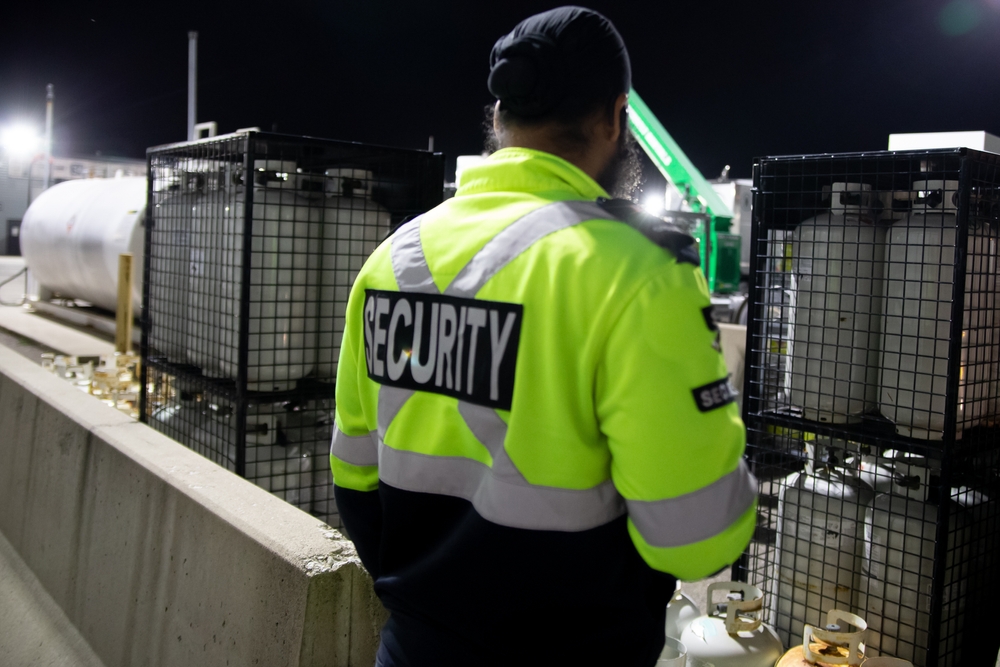
Visible security officers significantly reduce theft attempts. Guards monitor gates, patrol equipment areas, and respond immediately to suspicious activity.
Professional on-site guard services are especially valuable during overnight hours or high-value material deliveries.
4) Use Mobile Patrol Services
For large or multi-phase projects, mobile patrol coverage adds unpredictability and visibility. Randomized patrol schedules reduce the chance of targeted theft.
See how security patrol services operate to protect temporary sites.
5) Install Cameras and Alarm Systems
Surveillance systems help detect unauthorized access and provide documentation if incidents occur. Integrating cameras with alarms enhances detection speed.
Recommended monitoring placements
- Main entry gates
- Equipment storage areas
- Material staging zones
- Fuel storage containers
Combining cameras with alarm monitoring services improves after-hours response coordination.
6) Improve Lighting Conditions
Poor lighting creates concealment opportunities. Temporary job sites often need supplemental lighting beyond standard equipment.
Lighting enhancements
- Motion-activated floodlights
- Perimeter lighting along fencing
- Illumination near storage containers
7) Implement Equipment Tracking and Inventory Controls
Heavy machinery, copper materials, and power tools are common theft targets. Tracking and auditing procedures reduce loss.
Inventory improvement steps
- Use serialized tracking for tools
- Conduct end-of-day equipment audits
- Lock high-value items in secured containers
- Restrict fuel access and monitor usage
8) Establish a Clear Response Plan
Even with preventative measures, incidents may occur. A defined escalation plan ensures quick and coordinated action.
Structured response models, similar to those used by a dedicated response team, reduce downtime and minimize damage.
Comparison Table: Before and After Security Improvements
| Area | Before Improvements | After Improvements |
|---|---|---|
| Perimeter | Basic fencing only | Reinforced fencing and controlled gates |
| Monitoring | No cameras or alarms | Integrated surveillance and alarm coverage |
| Personnel | No oversight after hours | Guard or patrol presence |
Experience-Based Insight: Consistency Is Critical
Many job sites install fencing but neglect consistent enforcement. Gates left unlocked, poor lighting maintenance, and inconsistent patrols create vulnerabilities. Routine checks and structured oversight prevent repeated losses.
Bottom Line
Improving construction site security requires a layered approach: reinforce the perimeter, control access, deploy guards or patrols, integrate surveillance with alarm monitoring, improve lighting, and establish a defined response plan. Consistent implementation reduces theft, vandalism, and project delays.
FAQ
What is the most effective way to reduce theft on a construction site?
A layered approach combining perimeter control, visible guard presence, monitoring systems, and inventory tracking provides the strongest protection.
Are cameras enough to protect construction sites?
Cameras help deter and document incidents, but they are most effective when combined with patrol services or rapid response planning.
Should construction sites have overnight security?
High-value or high-risk projects often benefit from overnight guard coverage or patrol checks, especially during material-heavy phases.
How does lighting improve job site security?
Proper lighting reduces concealment opportunities and improves visibility for surveillance systems and patrol officers.
Can mobile patrols protect multiple construction sites?
Yes. Mobile patrol services are commonly used for multiple job sites, providing scheduled or randomized inspections to reduce vulnerability.
Categorised in: Construction Site Security
This post was written by admin