
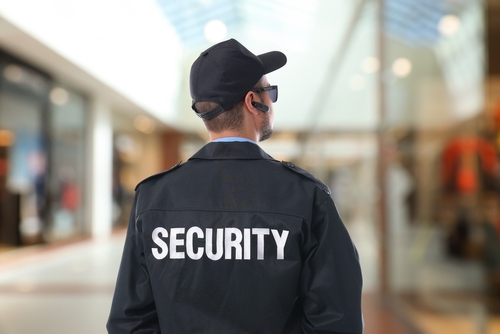
What Is Commercial Security?
March 4, 2026 5:19 pm Leave your thoughtsCommercial security refers to professional security services designed to protect businesses, employees, customers, and assets. It includes on-site guards, mobile patrols, alarm monitoring, video surveillance, and access control systems. The goal is to prevent theft, reduce liability, maintain safe operations, and respond quickly when incidents occur.
- Protects people and property in business environments
- Reduces theft, vandalism, and workplace incidents
- Improves access control and visitor management
- Supports compliance and documentation
- Provides structured emergency response
Definition: Commercial Security
Commercial security is a structured protection program designed specifically for businesses and commercial properties. It combines trained personnel and security technology to deter crime, detect threats, and respond to incidents while maintaining normal business operations.
What Commercial Security Typically Includes
1) On-Site Security Guards
On-site guards provide visible deterrence, manage access points, monitor activity, and respond to incidents. They may be stationed at entrances, patrol facilities, or oversee high-traffic areas.
Learn more about professional guard services and how they support commercial environments.
2) Mobile Patrol Services
Mobile patrol units conduct scheduled or randomized inspections of business properties. This is often used for multi-building campuses, warehouses, and after-hours coverage.
For operational insight, review how security patrol services work.
3) Alarm Monitoring and Intrusion Detection
Alarm systems detect unauthorized entry, glass break events, and motion inside restricted areas. Monitoring centers receive alerts and follow structured escalation procedures.
Businesses often integrate this coverage with alarm monitoring services for faster verification and response.
4) Video Surveillance and Monitoring
Commercial surveillance systems provide real-time monitoring and recorded footage. Cameras are commonly placed at entry points, parking lots, loading docks, and interior access corridors.
To see how monitoring improves response efficiency, explore how video monitoring supports incident response.
5) Access Control Systems
Access control restricts entry to authorized individuals using keycards, codes, or credential verification. This is critical for protecting sensitive areas such as server rooms, inventory storage, or executive offices.
Why Businesses Invest in Commercial Security
Crime Prevention
Visible security presence reduces the likelihood of theft, vandalism, and trespassing. Opportunistic offenders are less likely to target monitored properties.
Liability Reduction
Proper documentation and structured response procedures help businesses demonstrate due diligence in maintaining a safe environment.
Workplace Safety
Security personnel help manage conflicts, enforce visitor policies, and assist during emergencies. This improves employee confidence and operational stability.
Operational Continuity
Faster response to incidents minimizes downtime and property damage. Defined escalation models such as a coordinated response team improve recovery time.
Industries That Commonly Use Commercial Security
- Retail stores and shopping centers
- Office buildings and corporate campuses
- Warehouses and distribution centers
- Healthcare facilities
- Manufacturing plants
- Construction sites
Each industry has different risk factors. For example, retail focuses on loss prevention, while warehouses prioritize inventory control and perimeter security.
Comparison Table: Commercial vs Residential Security
| Category | Commercial Security | Residential Security |
|---|---|---|
| Primary Focus | Business operations and assets | Home and family safety |
| Access Control | Employee and visitor management | Household entry control |
| Coverage Scale | Large properties or multiple sites | Single residence |
Experience-Based Insight: Layered Protection Works Best
In commercial environments, relying on one security measure rarely provides complete protection. Businesses that combine visible guard presence with monitoring systems and structured reporting see stronger results. Layered protection reduces blind spots and improves response reliability.
Bottom Line
Commercial security is a coordinated protection strategy designed for business environments. It combines guards, patrols, alarm monitoring, video surveillance, and access control to reduce risk and maintain safe operations. The most effective programs are structured, layered, and aligned with the specific risks of the property.
FAQ
What is the purpose of commercial security?
The purpose is to protect employees, customers, assets, and business operations. Commercial security reduces theft, vandalism, and liability while improving response time during emergencies.
Do all businesses need on-site guards?
Not necessarily. Some businesses benefit from patrol services or monitored alarm systems instead of full-time guards. The appropriate level of coverage depends on risk level, size, and operating hours.
How does commercial security reduce liability?
By maintaining documented procedures, incident reports, and visible safety measures, businesses demonstrate proactive risk management. This can help during investigations or insurance claims.
Is commercial security customizable?
Yes. Security programs can be scaled based on risk level, industry type, and operational needs. Many providers offer flexible coverage options for short-term or long-term requirements.
What industries benefit most from commercial security?
Retail, healthcare, construction, warehousing, manufacturing, and office environments often benefit from professional security coverage due to asset value, public access, and operational complexity.
Categorised in: Security
This post was written by admin