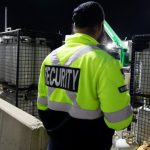
To improve construction site security, focus on layered protection: strengthen the perimeter, control access, increase visibility, deploy monitoring systems, and establish clear response procedures. Construction sites are high-risk due to valuable materials, open layouts, and changing crews. Consistent oversight and structured security planning significantly reduce theft and vandalism. Reinforce perimeter fencing and gates Limit and track site access Install cameras and alarm systems Use patrols or on-site guards Improve lighting and inventory control Definition: Improving Construction Site Security Improving construction site security means identifying vulnerabilities and implementing layered protective measures to prevent theft, unauthorized access, and property damage throughout the... View Article
Construction site security measures are strategies used to prevent theft, vandalism, trespassing, and equipment loss on active job sites. These measures typically include perimeter control, surveillance systems, on-site guards or patrols, lighting improvements, and strict access management. Because construction sites are temporary and constantly changing, layered security is essential. Perimeter fencing and access control On-site guards or mobile patrols Alarm systems and video surveillance Lighting and visibility improvements Equipment tracking and inventory control Definition: Construction Site Security Construction site security refers to protective measures designed to secure building materials, heavy equipment, tools, and personnel on temporary job sites. These environments... View Article
To become an armed security guard, you must first qualify as a licensed security guard, complete state-approved firearms training, pass a background check, and obtain an armed guard endorsement. Armed security positions require additional training, legal knowledge, and ongoing firearm qualification. Requirements vary by state, but licensing and compliance are mandatory. Meet state eligibility requirements Complete basic security guard training Pass background checks and fingerprinting Complete firearms training and qualification Apply for an armed guard license or endorsement Definition: Armed Security Guard Career Path Becoming an armed security guard means obtaining the legal authorization, firearms certification, and professional training required... View Article
To become an armed guard, you must meet state licensing requirements, pass background checks, complete firearms training, and obtain the proper armed security certification. Armed guards are held to higher legal and training standards than unarmed guards because they carry a firearm while on duty. Requirements vary by state, but compliance, training, and accountability are always mandatory. Minimum age requirement, typically 18 to 21 depending on state Clean criminal background check Completion of state-approved armed security training Firearms qualification and range certification Valid armed guard license or registration Definition: Armed Security Guard An armed security guard is a licensed security... View Article
Basic security tips focus on reducing easy opportunities for theft, trespassing, and workplace incidents. Most security problems occur because of predictable gaps such as poor lighting, unlocked doors, or lack of monitoring. Simple, consistent precautions often prevent the majority of incidents. Control access to your property. Improve lighting and visibility. Lock and secure all entry points. Use surveillance and alarm systems. Train staff on awareness and reporting. Definition: Basic Security Measures Basic security measures are foundational steps taken to deter crime, detect suspicious activity, and respond quickly to potential threats. These measures apply to businesses, offices, retail stores, and residential... View Article