
What Are the Different Types of Security Services?
March 4, 2026 5:05 pm Leave your thoughtsSecurity services include trained personnel, monitoring systems, and response capabilities that protect people, property, and operations. The right type depends on your risk level, site layout, hours of operation, and the incidents you are trying to prevent. Most organizations use a mix of visible deterrence (guards and patrols) plus technology (cameras and alarms) to reduce threats and improve response.
- Guard services provide on-site presence, access control, and incident handling.
- Mobile patrol offers scheduled or random checks for multiple locations.
- Alarm monitoring detects intrusions and triggers escalation when needed.
- Video monitoring supports real-time observation and better documentation.
- Rapid response shortens the time from alert to on-site intervention.
Definition: Security Services
Security services are professional measures used to prevent, detect, and respond to threats such as theft, vandalism, trespassing, workplace incidents, and emergencies. These services can be staffed (security guards) or technology-driven (alarms, cameras), and they work best when coordinated through clear procedures and communication.
The Main Types of Security Services
1) Unarmed Security Guard Services
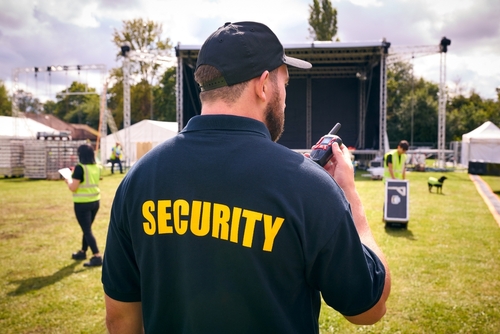
Unarmed guards provide a visible deterrent, observe and report suspicious activity, manage access points, and enforce site rules. They are commonly used for offices, retail, apartments, and community entrances where presence and professionalism are the priority.
Learn more about on-site guard services and how they can be tailored to your property.
2) Armed Security Guard Services
Armed security is used when the risk profile is higher, such as sites with valuable assets, credible threats, or elevated crime exposure. Armed guards typically require additional screening, training, and strict policies for use-of-force decision-making and reporting.
For practical context on qualifications, see requirements for becoming a security guard in New Mexico.
3) Mobile Patrol Services
Mobile patrols perform scheduled checks, lock-ups, perimeter inspections, and visibility patrols across one or more locations. This option is cost-effective when you need routine coverage but not a full-time guard posted at a single site.
For deeper detail, visit this overview of security patrol services.
4) Alarm Monitoring Services
Alarm monitoring services oversee security system signals such as door contacts, glass break sensors, motion detection, and panic buttons. When an alarm activates, the monitoring workflow escalates based on the verified signal, site instructions, and the urgency of the event.
If you use or plan to use monitored alarms, see alarm services and monitoring options for a closer look at typical setups.
5) Video Monitoring and Surveillance Support
Video monitoring can be live, recorded, or a combination of both. It supports deterrence, incident verification, and evidence retention. For many businesses, surveillance also improves after-hours visibility and strengthens investigations.
To understand how it supports response, read how video monitoring improves incident response.
6) Rapid Response and Dispatch Services
Response services provide a defined escalation path when an incident occurs. This can include dispatching officers to investigate alarms, check a property, or support on-site staff during an active issue.
See how a dedicated response capability works through our response team model.
7) Commercial Security Services
Commercial security focuses on protecting employees, customers, inventory, and business continuity. It often combines access control, guard presence, patrol, and surveillance. Priorities typically include loss prevention, workplace safety, and reducing liability exposure.
For business-focused protection strategies, explore commercial security services.
8) Residential and Community Security
Residential services may include patrols, access control for gated communities, and alarm support. The goal is to reduce trespassing, deter theft, and improve resident confidence through consistent visibility and clear procedures.
If you need home-oriented protection, review home security options.
9) Security On Demand and Short-Term Coverage
Security on demand is designed for temporary needs such as a construction surge, a staffing gap, a one-time event, or a time-limited threat concern. These deployments still require a plan, site briefings, and defined reporting expectations.
For flexible scheduling, see security on demand.
How These Services Are Commonly Combined
Many sites use layered security. This approach reduces single points of failure and makes your protection more resilient.
Common layered security examples
- Unarmed guard at the front entrance plus after-hours alarm monitoring.
- Mobile patrol checks plus cameras covering parking, docks, and perimeter gates.
- Video monitoring to verify alarms plus rapid response dispatch.
- Commercial security program plus periodic security audits for improvement.
Which Type of Security Service Is Right for You?
Choosing the best service starts with matching coverage to your real risks, not just your budget. A practical plan considers where incidents occur, when they happen, and what response looks like once something triggers an alert.
Key selection factors
- Threat profile: theft, vandalism, workplace incidents, trespassing, or targeted threats.
- Operating hours: open-to-public vs. after-hours exposure.
- Site layout: entrances, blind spots, parking lots, loading docks, and perimeter fencing.
- Response requirements: how quickly someone must arrive if an alarm triggers.
- Compliance and documentation: incident reports, activity logs, and chain-of-custody for evidence.
Experience-Based Insight: What Usually Makes Security Effective
In real-world operations, the difference between “having security” and “being secure” often comes down to consistency and clear procedures. Sites with defined post orders, routine reporting, and predictable escalation steps typically see fewer repeat incidents. The most effective programs also review patterns, update coverage, and correct vulnerabilities early.
Comparison Table: Common Security Service Options
| Service Type | Best For | Primary Value |
|---|---|---|
| Unarmed Guard | Public-facing sites, access control | Visibility, rule enforcement, reporting |
| Armed Guard | High-risk sites, valuable assets | Higher-level deterrence and response capability |
| Mobile Patrol | Multiple locations, after-hours checks | Cost-effective coverage and presence |
| Alarm Monitoring | Intrusion detection, after-hours protection | Fast detection and structured escalation |
| Video Monitoring | Verification, documentation, oversight | Better awareness and evidence quality |
| Rapid Response | Alarm calls, urgent site checks | Shorter time to on-site intervention |
Bottom Line
The different types of security services fall into three categories: on-site personnel, mobile visibility, and monitored technology with response. The strongest protection usually comes from combining them into a layered plan that matches your property’s hours, risks, and response needs. If you want a flexible starting point, many businesses begin with guard services or patrols and then add monitoring where it improves coverage.
FAQ
What are the most common security services for businesses?
Most businesses use a combination of on-site guards, patrol services, and surveillance or alarm monitoring. The best mix depends on your operating hours, customer traffic, and incident history. Many companies start with access control and visible presence, then add monitoring for after-hours protection.
Is mobile patrol better than having a guard posted on-site?
Mobile patrol is often best for multiple locations or after-hours checks when you do not need a full-time post. A posted guard is better when you need continuous access control, customer interaction, or immediate on-site decision-making. Some sites use both for layered coverage.
What is the difference between alarm monitoring and video monitoring?
Alarm monitoring focuses on sensor signals that indicate a possible intrusion or emergency, such as motion detection or door contacts. Video monitoring focuses on visual verification and documentation. When combined, video can confirm what triggered the alarm, which can improve response decisions.
How do I know if I need armed security?
Armed security is typically considered when there is a credible threat, high-value assets, or a higher likelihood of violent confrontation. It also requires stricter policies, training, and oversight. A risk assessment is the safest way to determine whether armed coverage is appropriate for your site.
Can security services reduce liability for a property owner?
Security can reduce incidents and improve documentation when issues occur, which may help with risk management. However, liability depends on many factors including procedures, training, and how consistently coverage is implemented. Clear post orders, incident reporting, and escalation protocols are key.
Categorised in: Security
This post was written by admin